Access. Dignity. No judgment.Need supplies today? Visit Harm Reduction Finder ↗
About Waypoint

Built from experience.
Grounded in dignity.

Waypoint Harm Reduction exists to make substance-use harm reduction easier to find, understand, and access.

Why we exist

Resources only help
when people can reach them.

Scott and Penny bring clinical, peer, post-overdose outreach, diversion, and community program experience to this work. Across those settings, they have worked with people navigating fragmented systems and barriers to care.

They built Harm Reduction Finder to make information about lifesaving services easier to find. Waypoint is the organization behind that tool, with a broader aim of expanding practical access.

Our focus is clear: reducing overdose, infection, and injury associated with drug use. Support starts with the person’s own needs and choices.

Our principles

Care without conditions.

Respect autonomy

People deserve safety and dignity, without being required to stop using drugs before receiving support.

Center lived experience

People who use drugs bring knowledge that should inform the services and systems intended to serve them.

Be clear and accountable

Use evidence, explain limitations, acknowledge inequity, and be honest about what is available.

Our founders

People who have lived the work.

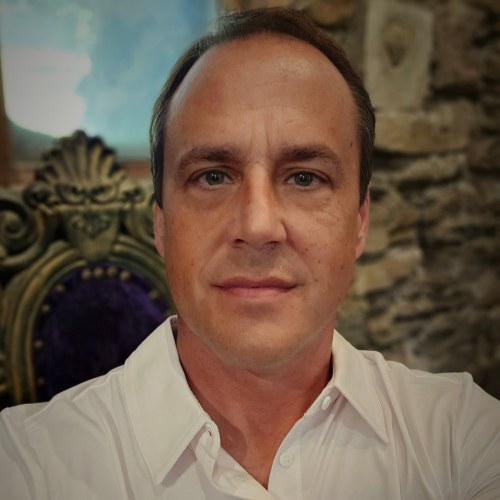
Scott, co-founder of Waypoint Harm Reduction

Scott

Co-Founder & Executive Director

Scott is a person in long-term recovery and a Licensed Chemical Dependency Counselor with more than a decade of experience across detoxification, residential, outpatient, intensive outpatient, jail-based, and court-involved settings.

His background spans clinical care, peer support, public service, and systems leadership. He has served as a Quick Response Team coordinator and director of a Law Enforcement Assisted Diversion program, work that helped lead to Harm Reduction Finder.

Read Scott’s full professional background

Scott’s clinical practice draws on Motivational Interviewing, CBT, DBT, IFS, relapse prevention, trauma-informed care, Thinking for a Change, Moral Reconation Therapy, and Recovery Oriented Systems of Care principles. He has worked with justice-involved people, post-overdose engagement teams, and individuals with co-occurring mental health and substance use disorders.

He has provided group and individual services in detoxification units, residential facilities, and community-based intensive outpatient programs. With Penny, he co-founded and facilitated the STAR diversion program in partnership with Findlay Municipal Court.

HRF’s biography documents his service on the Ohio Chemical Dependency Professionals Board Treatment Committee, collaboration with ADAMHS Boards and opioid task forces, and service on nonprofit boards, including Focus Recovery and Wellness Community.

He has presented on recovery, stigma reduction, and workforce development at the University of Findlay, the University of Bluffton, the University of Toledo, and Ohio Northern University, and provided testimony to Ohio’s Joint Committee on Agency Rule Review about workforce shortages and access to care.

His wider work includes the Beach Safety Hierarchy Assessment Scale, research on relational safety, and the book Lead With Safety. At Waypoint, his clinical and lived experience inform a practical commitment to reducing barriers and strengthening harm reduction access.
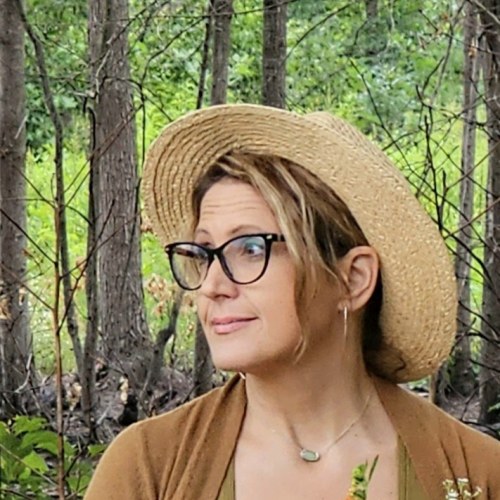
Penny, co-founder of Waypoint Harm Reduction

Penny

Co-Founder & Director of Community Outreach

Penny is a peer recovery leader with experience in post-overdose outreach, jail-based case management, community program development, and peer supervision.

As an Opioid Quick Response Team director, she led compassionate outreach to people and families after overdose. As a Regional Peer Center Manager and CPRS Supervisor, she developed and launched three peer recovery centers and supervised approximately 15 certified peer supporters.

Read Penny’s full professional background

Penny spent many years as a jail-based case manager, helping people connect to care and navigate re-entry. Her work reaches people who have often been overlooked or repeatedly excluded from support.

She built three peer centers from the ground up, authored their policies, procedures, rules, and training manuals, and managed all three at the same time. Her leadership emphasized consistent, ethical, trauma-informed peer practice.

Her facilitation experience includes the Matrix Model, Living in Balance, SMART Recovery, and groups focused on art, yoga, life skills, and active recovery.

With Scott and Findlay Municipal Court, she co-developed Survivors Talking About Recovery (STAR). She recruited and coordinated guest speakers whose lived experiences helped bring a human perspective to court-ordered programming.

Across these roles, Penny has provided direct peer support to hundreds of people affected by substance use disorder. Her work combines lived experience, person-centered support, and persistence with people who have faced repeated incarceration and exclusion.

Waypoint carries that commitment into harm reduction: showing up, respecting people’s choices, and making safety and support easier to reach.

Source: Harm Reduction Finder — About Us. Source material checked September 19, 2026.